
International law often introduces itself to us through a particular positioning that is technical and primarily academic. It speaks with us through judgments, treaties, academic articles, and is taught with the expectation that one must master a certain academic vocabulary to truly see and understand it. But we know that is only one way of encountering international law and perhaps not even the most powerful one. This segment of the JFIEL blog begins from a simple observation that international law is not only learned through these academic settings, but also felt, witnessed, imagined, and carried in far more intimate, unexpected ways.
We want to create a space that embraces those ways of knowing international law. This segment is our invitation for micro-essays and reflecting writings – pieces between 200-1000 words (only suggestive) – that connect international law with everyday life, art, pop culture, emotion, fiction, mythology, or anything else that speaks to you. We are trying to move away from the assumption that knowledge only comes through arguments or academic structure. What if it also comes through lingering with discomfort? Through the act of reflections? We believe those are valid, even necessary, ways of engaging with international law, especially when the law itself often silences, erases, or abstracts lived experience.
The title ‘Knowing IL, Otherwise’ is not meant to suggest a secondary or derivative relationship to dominant legal knowledge. Rather, otherwise here functions as a refusal of the singular, technical, and often exclusionary ways international law is expected to be known. It points toward modes of engagement that are intimate, affective, creative, and situated – ways of knowing that have always existed, but have rarely been centred.
This segment is about making room for the many different ways we relate to IL. We hope this space allows for gentler, more creative, and more personal engagements with international law, ones that don’t just ask what the law says, but how it feels, where it shows up, and who gets to speak.
If you would like to write in a language other than English, we encourage you to reach out to us in advance at jindalforinteconlaws@jgu.edu.in with your idea. This will help us check our capacity for reviewing and editing in that language, and we will do our best to accommodate it.




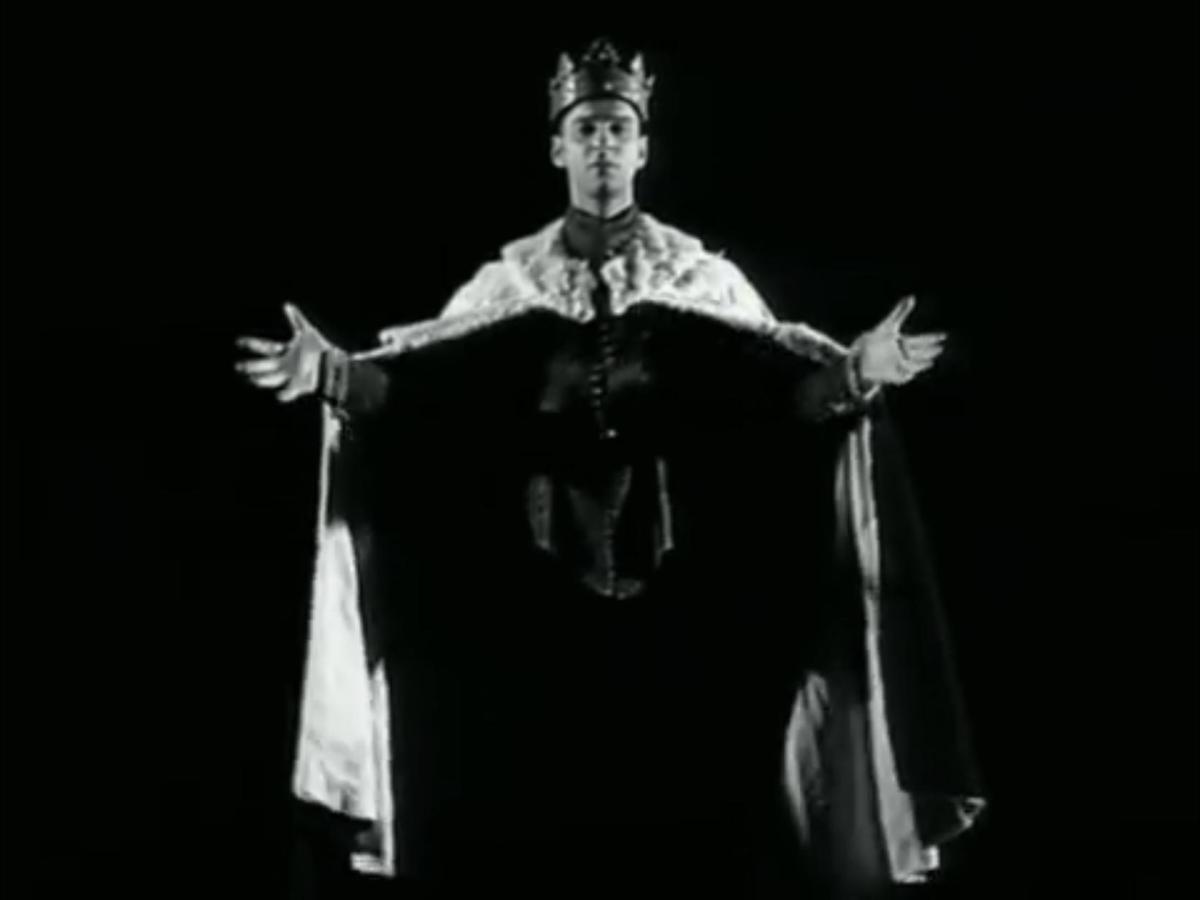
Tracing the Emotion Arc of International Law’s Students
Garvit Shrivastava and Charunivetha Solai Gnanasekar
Continue reading Tracing the Emotion Arc of International Law’s Students
 Jindal Forum for International and Economic Laws