
Development is perhaps one of the most familiar words in the vocabulary of international law. Over decades, the way it has been used reflects certain regularity and apparent benevolence, to an extent that it often goes unnoticed. This word has been associated with multiple imaginations that promise growth, progress, equality, and emancipation; and this association appears in the language of international organizations, governments, corporations, courts, etc. Sundhya Pahuja exposes the transformative logic of a new ruling rationality which is based on the two “secret twins” – development and economic growth. Development became a way of arranging the world into categories of advancements and deficiencies while presenting history as a linear, universal category.
This universal promise and familiarity of the word in multiple imaginations make it difficult for us to see what it actually does. We begin this symposium with the same unease. While there have been multiple scholars who have exposed the idea of development (Read Rist, Rajagopal, Escobar, Sen, Rodney, among others), it leaves open some difficult questions: what do we do with the idea of development once it has been seen and understood differently? If development is so embedded in the architecture of international law, can we simply abandon it? Or can the term itself be reclaimed and made to speak through different registers rather than dominant grammar?
This year, 2026, marks forty years since the UN General Assembly signed adopted the Declaration on the Right to Development. The Declaration speaks of every human person and all peoples as participants in, contributors to, and beneficiaries of development. Over these decades, the idea of development has travelled unevenly across legal and political terrains. This symposium, therefore, approaches development as a site of constant contestation. The task we take is to examine the legal and political arrangements through which development acquires meaning, while also looking for spaces within and beyond those arrangements where other futures become thinkable.
The pieces that this symposium features take up the question of development from different locations. The purpose is not to provide a single alternative definition of development, nor is it to resolve the tensions that surround this concept. The pieces, collectively, hope to move towards rearticulations of development.
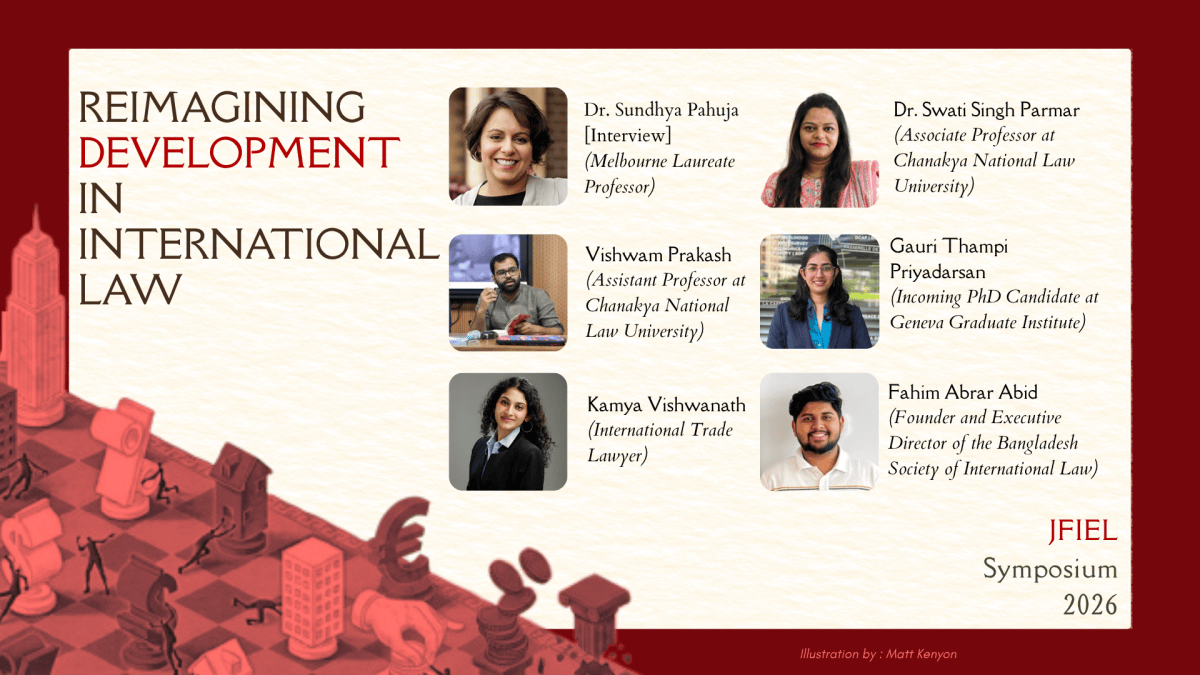
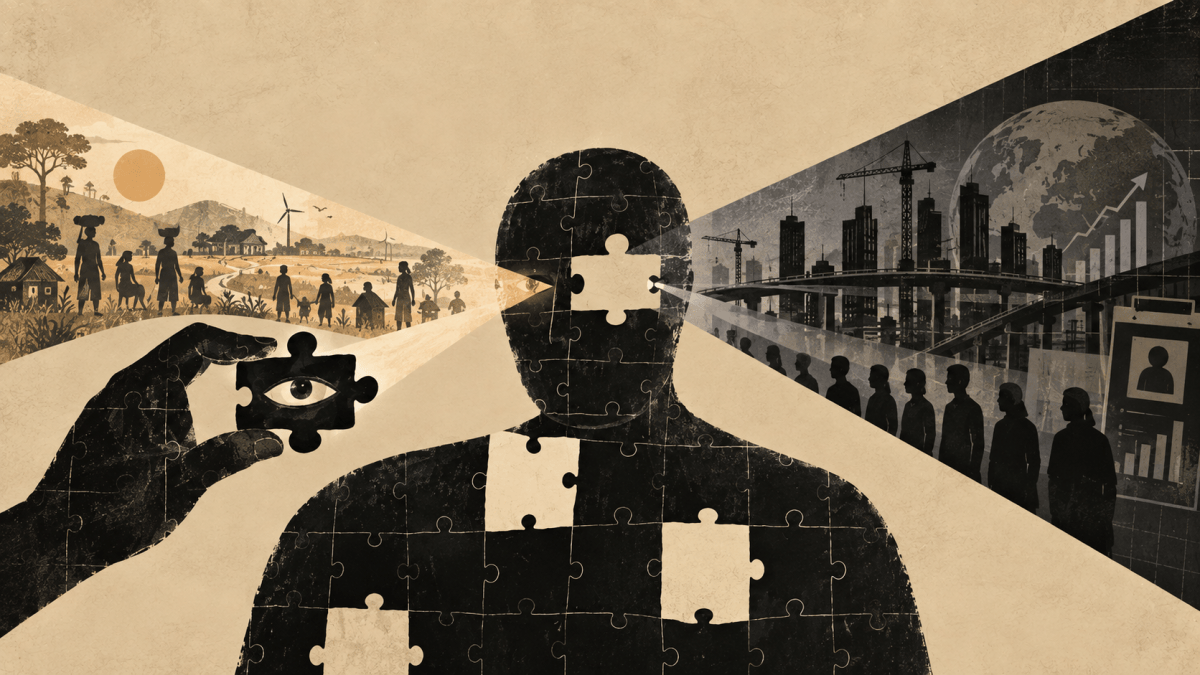
The symposium begins, on Wednesday, with Swati Singh Parmar and Vishwam Prakash’s “How do we see development vis-a-vis how development sees us?”. Parmar and Prakash provide us the conceptual entry point to this discussion by beginning with the question of gaze – the gaze through which some peoples and places come to be seen as behind and the others ahead. They trace how this gaze inherits its characteristics from older colonial vocabulary and phrases itself to be neutral or scientific. They find a small opening in the environment treaty from Latin America that insists on another kind of development discourse that imagines a different, perhaps more just, future. The piece, most importantly, provides us a methodological entry point to reconsider how development has shaped what we consider valuable and possible.
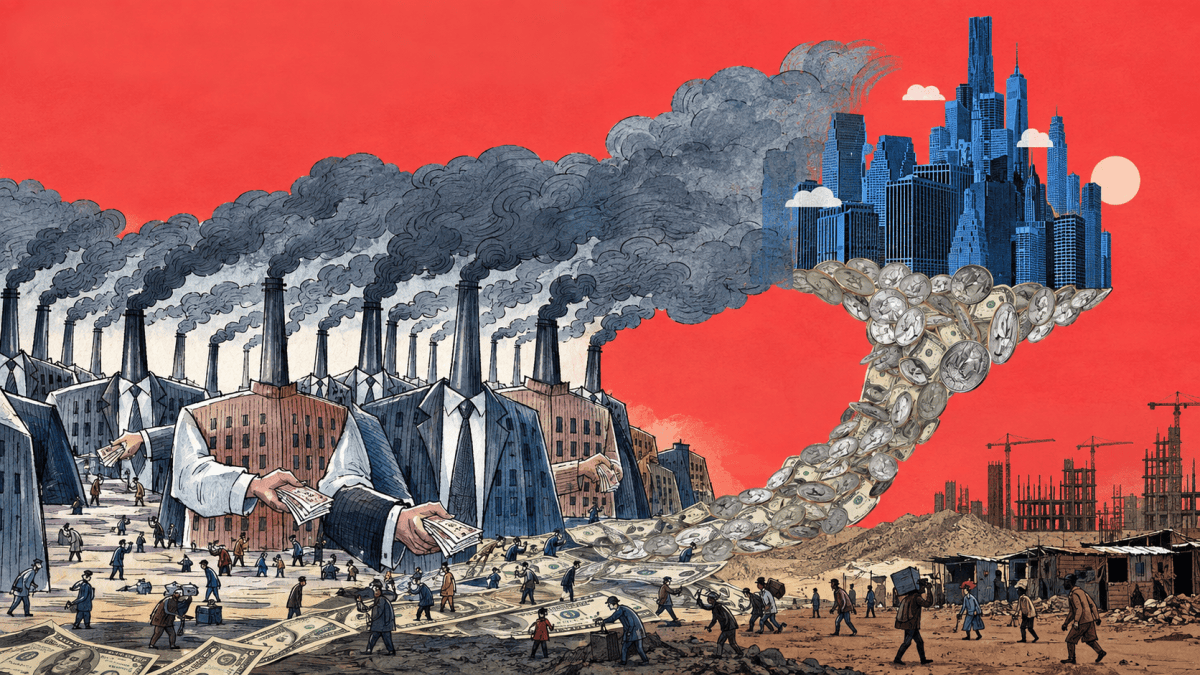
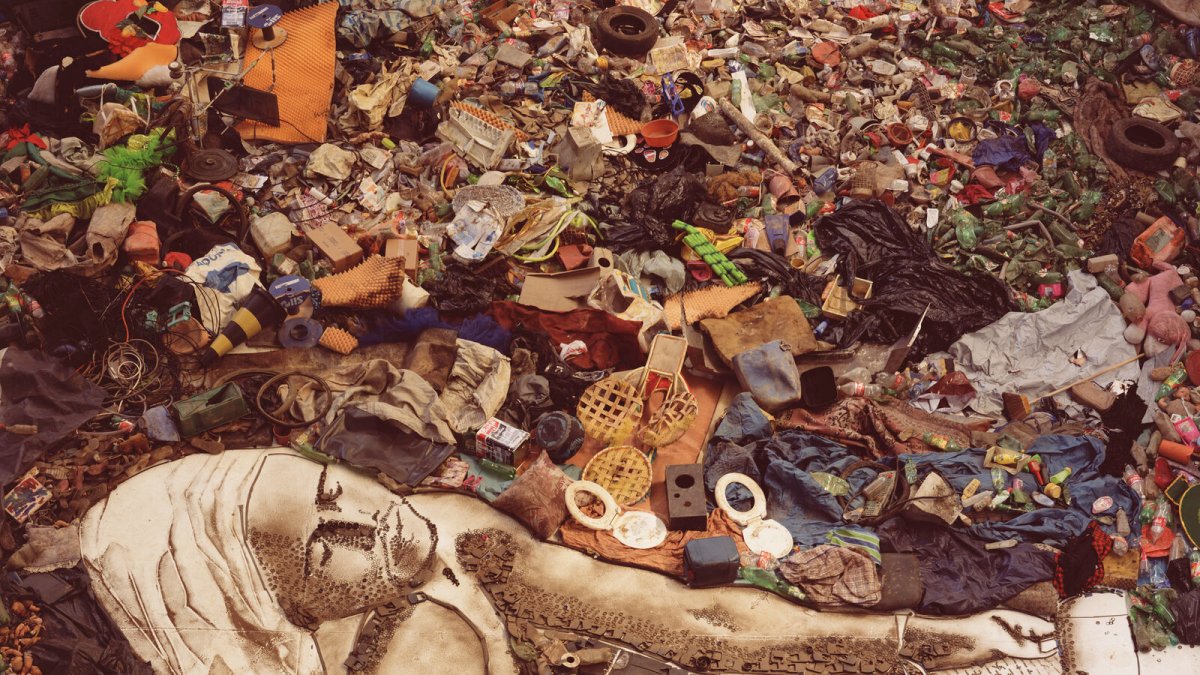
From this question of visibility, on Thursday, Kamya Vishwanath’s “Unclean Economies: Rethinking development in international law through waste” argues that waste offers us a different vantage point to understand what kind of order development creates. The aesthetics of development does not hold space for waste, if anything, it’s considered as a residue of the development that should be invisibilized. Vishwanath draws on Discard Studies and critical waste scholarship to ask why certain objects, people, and places are considered waste in the first place and use waste as a lens through which development and international law can be understood.
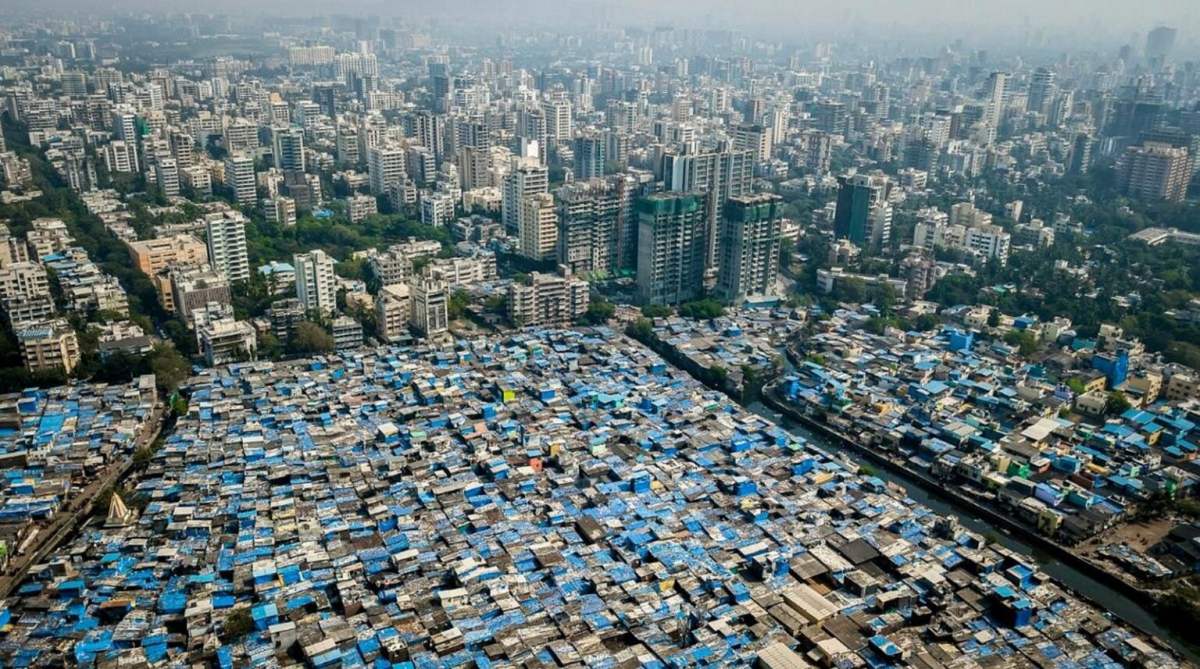
The movement from discarded material to displaced people is taken up by Gauri Thampi’s “Global Cities, Urban Displacement and Development: Positioning Indian Cities as International Legal Actors”, on Friday. Her intervention helps us understand how India’s urban development model focuses on making cities a vessel for economic activity and flow of capital, and this comes at the cost of urban displaced population which becomes the collateral in the making of “global city”. Thampi examines transnational city networks and the growing concept of cities as international legal actors to suggest that urban governments can develop forms of agency that can counter the nation-state’s development framework.
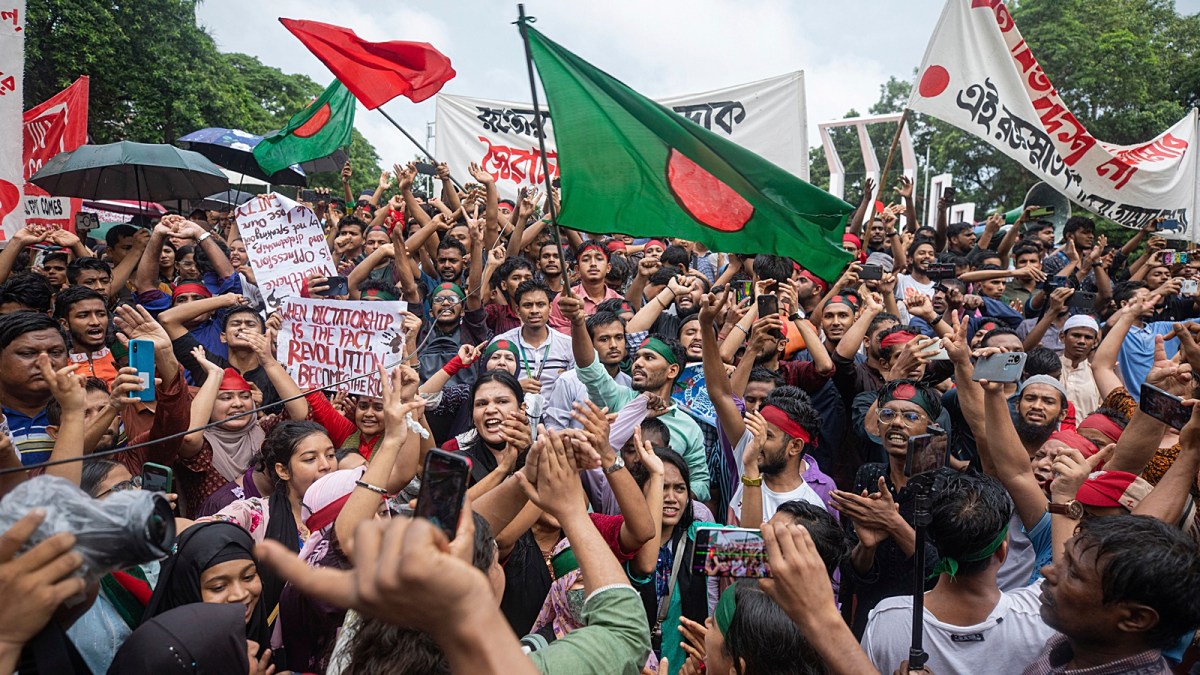
The question of who can speak for whom becomes most direct, on Saturday, in Fahim Abrar Abid’s “When the State Becomes the Obstacle: The July Revolution, the Right to Development, and the Case for a Post-Statist Reading” Taking July Revolution as the backdrop, the piece returns to the Declaration on the Right to Development and the relationship between “every human person” and “all peoples”. The central provocation of the piece is that the state cannot claim to represent the people in whose name the development is being pursued. Abid’s post-statist reading certainly does not discard the state as a legal category. Instead, it questions the claim that the state makes to stand as the representative or the interpreter of the collective whose interests determine the shape that development takes.
The symposium concludes, on Sunday, with “Reimagining Development: In Conversation with Sundhya Pahuja.” It is deliberate, on our end, that this conversation comes last because it is not intended to provide any definitive answers for what development can otherwise mean. Instead, the conversation reflects the same point of departure that all the other pieces share, asking what it means for us to continue to engage with international law despite unsettling the “development” promises that it has ever made. You will find that Pahuja resists the temptation – that often comes up when we (as students) get exposed to critical scholarship – to say that international law can be rescued or redeemed if only it is read correctly. What Pahuja offers is rather hard for us to summarise and more useful to sit with for some time – that the question is not whether international law or development can be saved but how can we continue to engage with them as productive formations that participate in world making. Pahuja’s reflections on the UN Centre on Transnational Corporations reminds us that alternative futures also exist in the archives that we must revisit to understand the imaginations of the past that were pursued but subsequently marginalized.
Every piece from the symposium treats international law as an ongoing site of political struggle. To reimagine development is to create room for different accounts of dignity, sufficiency, solidarity, reciprocity, and flourishing that is collective in nature. This exercise is to ask what international law might look like if these accounts are constitutive of what development could mean. And perhaps, more importantly for us, it is to remember that this reimagination should not escape law because it is also one of the ways in which law is remade.
Thanks are due to the symposium team – Ann, Avani, Meher, Shefali, and Shivali, who were part of the brainstorming sessions in the early stages of this symposium and who also contributed through outreach, research, and design work as the symposium came together.
– Garvit and Charunivetha
Contributions
Development as World-Making: A Conversation with Sundhya Pahuja
Sundhya Pahuja (Interviewed by Garvit)
Continue reading Development as World-Making: A Conversation with Sundhya Pahuja
How do we see development vis-a-vis how development sees us?
Swati Singh Parmar & Vishwam Prakash
Continue reading How do we see development vis-a-vis how development sees us?

